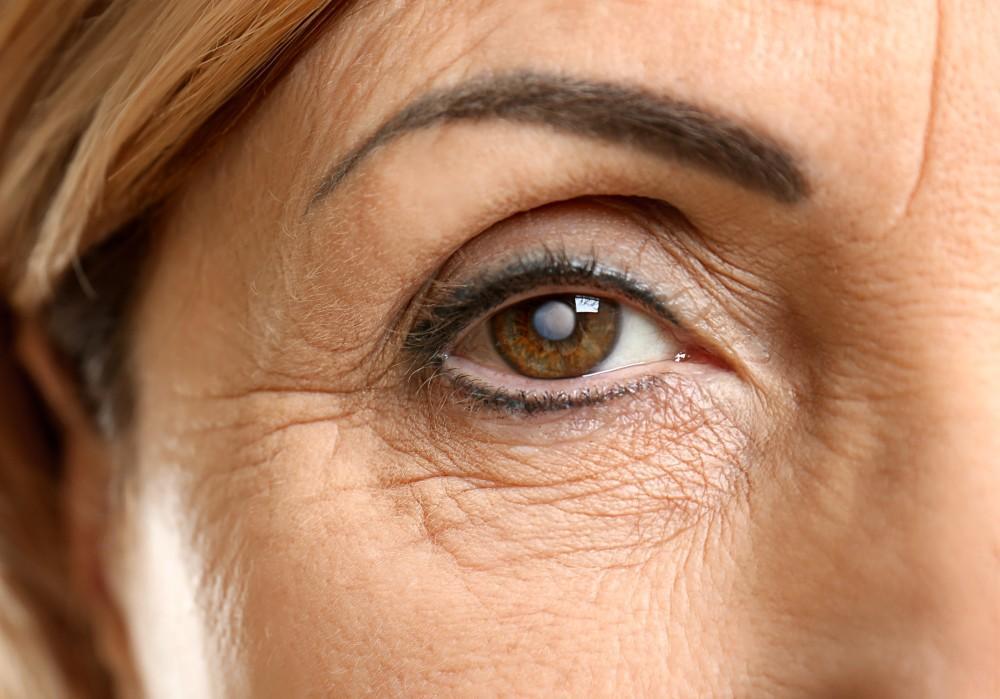
Getting older comes with lots of challenges and lots of changes, including changes in your vision. Dry eyes and presbyopia — trouble seeing things close up — are two common problems associated with older age, and so are cataracts. In fact, the National Eye Institute notes that by age 80, half of Americans have been diagnosed with cataracts at some point.
Interestingly, even though cataracts are common, data show many people don’t know much about cataracts or the symptoms they can cause. The result: You may delay treatment that could improve your vision and overall quality of life.
At Long Island Ophthalmic Concepts, our team helps patients recognize vision changes and explore treatment options that can help them see more clearly. Here are five signs of cataracts to watch for, even if your vision problems seem minor.
1. Nighttime driving becomes more difficult
Cataract symptoms may come on gradually, but for many people, nighttime driving is where they notice the most dramatic difference, at least initially. That’s because an activity that once seemed “automatic” — driving at night — now feels difficult and maybe even dangerous.
Nighttime vision changes happen when the eyes’ lenses start to cloud up, causing light to scatter when it enters your eye instead of focusing clearly on the light-sensitive retina. Oncoming headlights seem extra bright, and even familiar roads can become much harder to navigate once the sun sets.
2. Colors look faded or yellowish
Cataracts don’t just change how clearly you can see in the dark — they can change how you perceive colors, too. Many people with cataracts notice that once-vibrant colors start to look faded or washed out. Other times, light or white colors seem to take on a yellowish hue.
Bottom line: If colors consistently look less clear and vibrant, scheduling an eye exam can help determine if what you’re seeing is true or if cataracts (or another eye condition) could be to blame.
3. Bright light bothers your eyes more than it used to
A sunny day can feel warm and inviting — but if you have cataracts, the light itself can seem way too bright and even uncomfortable. The same is true of bright overhead lighting or glare from a window or windshield. Maybe you find yourself squinting more often or reaching for sunglasses even when light doesn’t seem particularly intense to those around you.
Increased light sensitivity happens when the cloudy lens scatters incoming light rays, interfering with normal vision and making it harder to see comfortably. Like other cataract symptoms, glare typically worsens as the lens grows cloudier. Eventually, glare can interfere with driving and other activities, making an eye exam essential.
4. Your glasses prescription keeps changing
Prescription eyeglasses and over-the-counter readers can work wonders for blurriness, but with cataracts, it’s a different story. As cloudiness increases, it becomes harder to see clearly, even with an updated prescription.
What’s more, as the cataract progresses, you may find you need prescription changes more often. Both symptoms are key indicators that it’s time to have your vision evaluated.
5. One eye sees things differently than the other
Cataracts don’t always develop at the same rate in both eyes. In fact, it’s not uncommon to have relatively clear vision in one eye while the other produces images that appear hazy or blurry.
Because your eyes work together, you may not notice these changes until they become more pronounced. That said, if you notice any vision disparity, it’s time to schedule an exam so we can determine whether you have cataracts or another issue causing the problem.
Clearer vision starts with an eye exam
Cataracts develop slowly, which is why regular comprehensive eye exams are essential, especially as you age. While there’s no cure for cataracts, they can definitely be treated. Early diagnosis provides you with the widest range of options to help you see clearly and enjoy a better quality of life.
If you’re experiencing any of the symptoms above or if it’s been a while since your last eye exam, we can help. To schedule your vision evaluation, request an appointment online or over the phone with the team at Long Island Ophthalmic Concepts in Bellmore and Great Neck, New York, today.